Εργασία etwinning: Industrial Museum


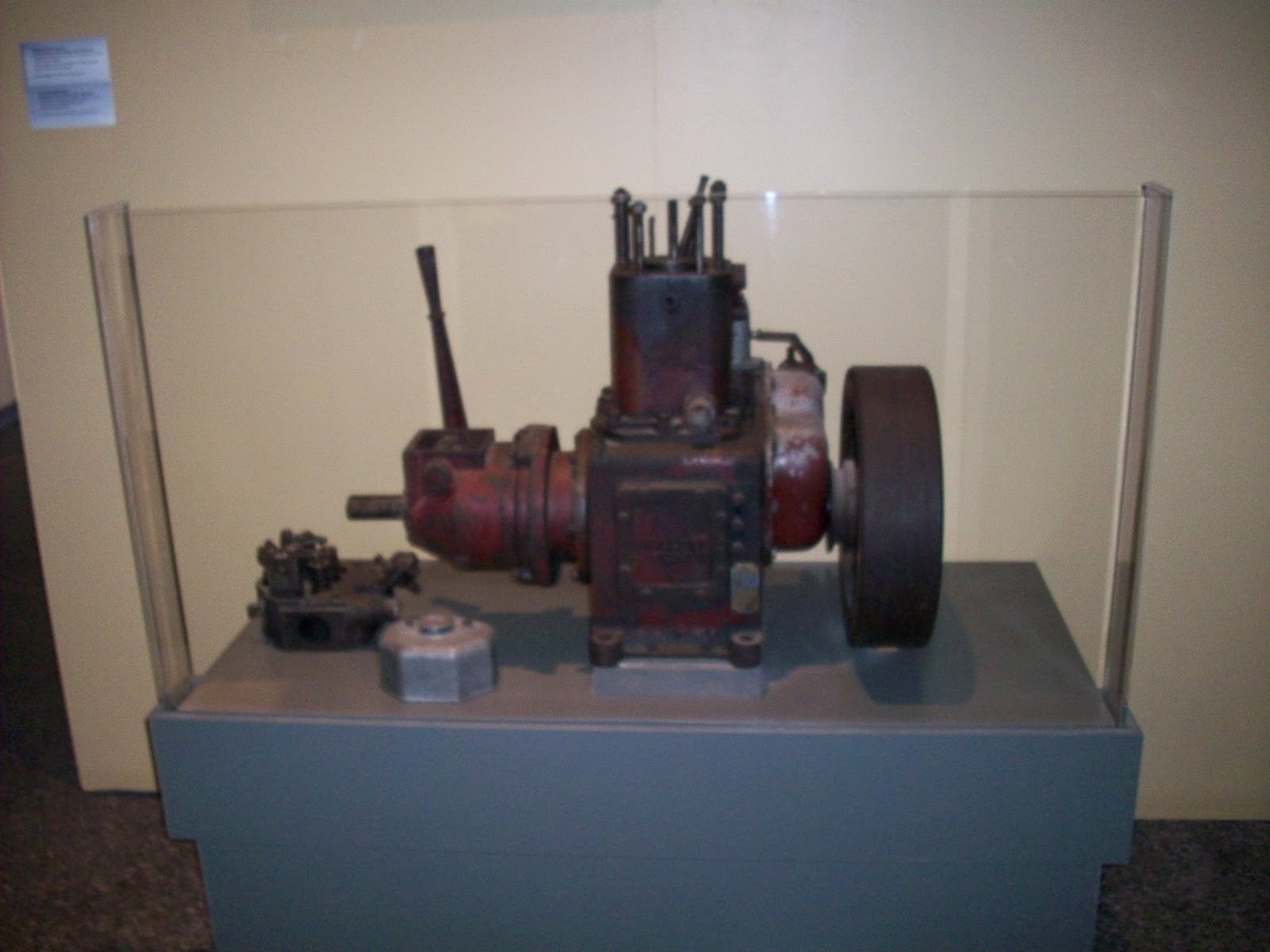
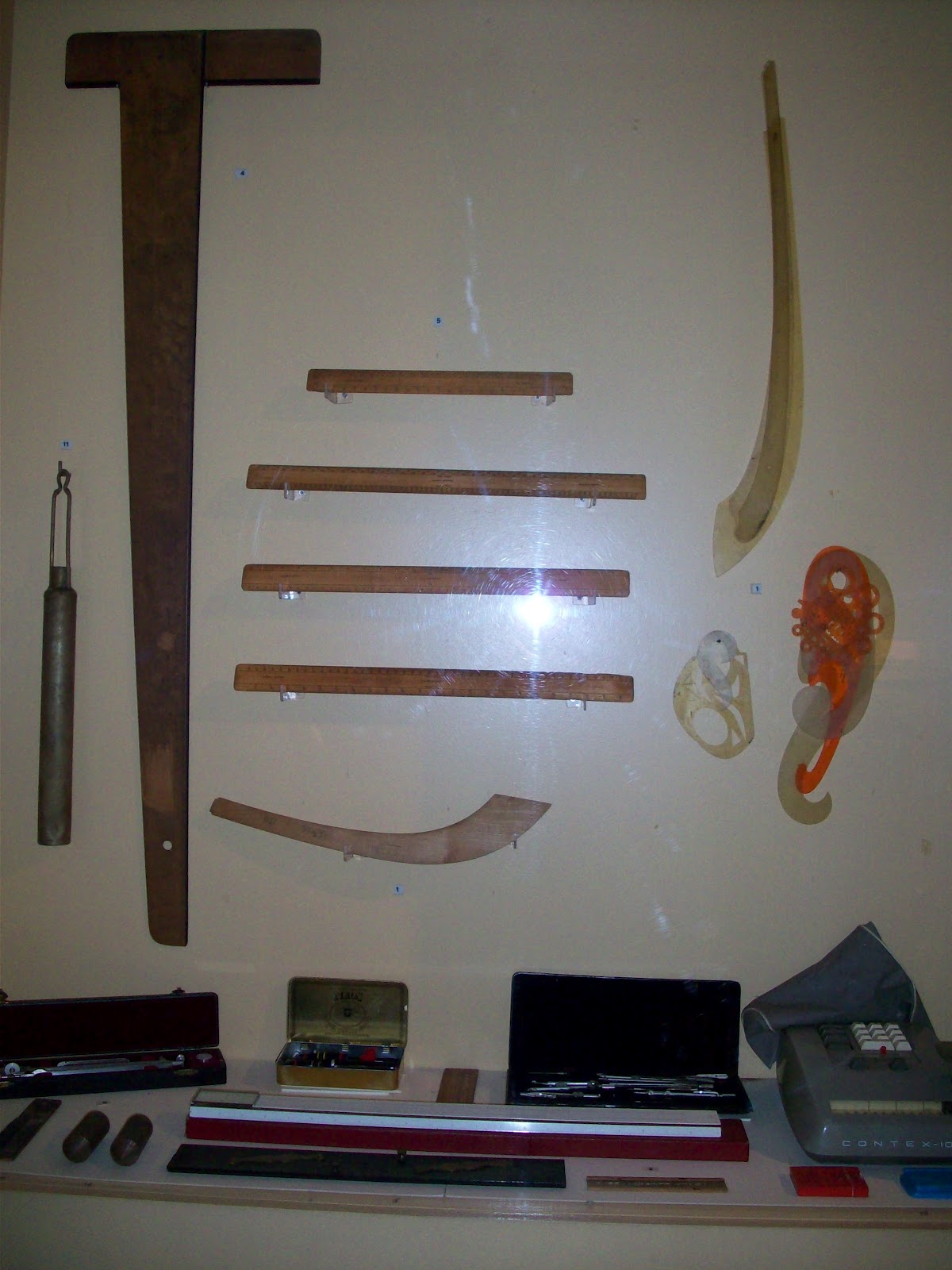
    All exhibits come from the workshops and factories which were working in Hermoupolis especially in the 19th and 20th century. Unique collections of old machinery and tools can be found in this museum. The exhibitions include over 300 rare items which show the industrial past of Hermoupolis.
    The collections came from various fields of industry such as tanning, machine-making, ship-building, printing, weaving, food packaging, sweet-delight production etc. There are also important maps and pictures dating back to the end of 17th century until the 20th century, original architectural designs related to the creation of neoclassical Hermoupolis, photos of the shipyard or the harbour as it was in the past as well as images of ships and paintings by local painters of the 19th century.


  • Digg
  • Del.icio.us
  • StumbleUpon
  • Reddit
  • RSS

Εργασία etwinning: Archaeological Museum of Syros

    In the museum one can admire a rich collection of items of Cycladic Art belonging to the period around 3.000 B.C. The exhibits come from Syros as well as the rest of the Cycladic islands. A great number of these exhibits were found in Chalandriani (a place in Syros of great archaeological importance) but there are also significant greek and roman sculptures, inscriptions, tomb stones etc.

  • Digg
  • Del.icio.us
  • StumbleUpon
  • Reddit
  • RSS

Εργασία etwinning: Museum of Cycladic Art


The Cyclades are a group of islands to which Syros Island also belongs. There the great Cycladic civilization was developed about 5.000 years ago (3.000 B.C.) which is considered one of the first five most important civilizations in the world.
    In the rooms of the Intellectual Centre of Hermoupolis (next to the Town Hall) one can find copies of the most characteristic examples of Cycladic Art so centuries ago.
    The museum opened in 1993 and, since then, it has undertaken several educational programmes for children as well as guided tours to adults and visitors of the island.
    During these programmes children have the opportunity to learn about the great civilization and they also learn about the history of all Cycladic islands through games, paintings and constructions.


  • Digg
  • Del.icio.us
  • StumbleUpon
  • Reddit
  • RSS

Εργασία etwinning: Music in Syros


Music has always been one of the favourite pastimes of the people in Syros. Music is cultivated in many ways here:  through musical bands, clubs and well-educated music teachers. One can still admire the well-known band of Hermoupolis who started their performances in 1894. This band has been present in all important events of the town (parades, religious processions etc.) What is remarkable is that in the years of prosperity (19th century and part of the 20th century) the band had its own permanent place on the marble platform of the central square where the musicians played to amuse the aristocracy who were going up and down the square numerous times enjoying their evening “promenade” all dressed in formal clothes and fine hats.
    On the other hand, in Ano Syrtos and the countryside of Syros, the music sounds were more traditional. It was a local sound which survived through centuries and was accompanied by traditional musical instruments like “tsambouna” (wind instrument) and “toumbi” (percussional instruments). This kind of music can still be heard in local festivals, the celebration of “pig butchering” and the carnival of Ano Syros.
    What is worth mentioning is that in Ano Syros, a form of local local music called “Rembetiko” was born and developed. The so called “Rembetes” were people from the poor, lower parts of the society at the beginning of the 20th century who expressed themselves against the hard times of their lives producing a kind of rebel, reactive local music.
    Since 1922 this kind of music (which has been widely rejected previously) has been combined with the local tradition of Syros as well as Byzantine and eastern sounds and with the help of the wind instrument called “bouzouki”, it became a kind of music of national acceptance.


  • Digg
  • Del.icio.us
  • StumbleUpon
  • Reddit
  • RSS

Εργασία etwinning: Traditional houses in Syros


 Syros is well-known for its impressive houses. The most outstanding buildings can be found in Hermoupolis, the capital, as well as in Ano Syros (up the hill).
  In Hermoupolis one can admire excellent neoclassical buildings with obvious Venetian influences. Those were built from about 1834 until the end of the 19th century and followed the spirit of “Romantic Classicism” with a lot of western elements as a result of the close condact with the western European civilization (Hermoupolis was one of the greatest trade and industrial centres of the 19th cent. ).
  The traditional houses of the old rich aristocracy have got impressive facades, symmetry in their wooden openings, remarkable huge central doors, finely-decorated balconies and beautiful interior with large rooms standing by the sides of a big corridor and hand-painted ceilings.
  This houses are sometimes separated by beautiful marble squares, nice churches and narrow streets, giving a unique colour of the town. Unfortunately, the grandeur of some of these buildings cannot be easily admired because they are too huge in proportion to the narrow streets so we are not able to have a full view of the houses from the proper distance.
  Nevertheless, these neoclassical houses remind of the glory and prosperity of Syros suggesting a fine canvas for living in or simply visiting the place.
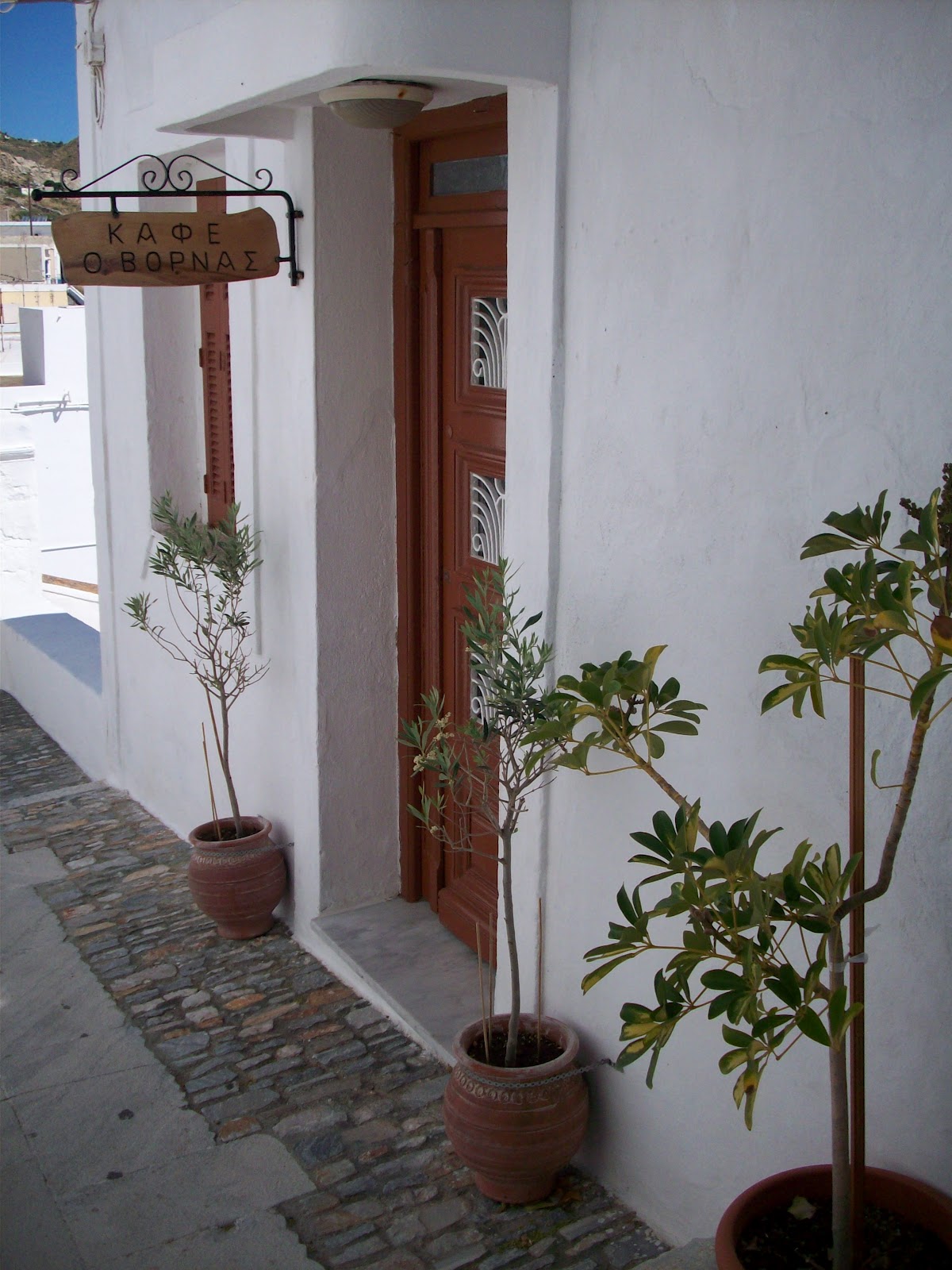
  In Ano Syros, the Cycladic architecture harmonizes with the Medieval and Venetian architecture. All over the hill there are narrow streets, white painted stairs and colourful flowers decorating the wooden balconies and the small yards. The houses are built closely to one another or even one above the other, and they are surrounded by rocky sloping surfaces which were used as a protection against the pirates in the previous centuries (the town was built in 1200 AD).


  • Digg
  • Del.icio.us
  • StumbleUpon
  • Reddit
  • RSS